Pollinators are critical for fruitful gardens, productive farms, and healthy ecosystems, but pollinator populations are in decline in many areas because of habitat loss. One of the most effective ways we can support pollinators is to provide habitat by planting the species they need to survive across our communities. Native plants are particularly important for native pollinators and wildlife.
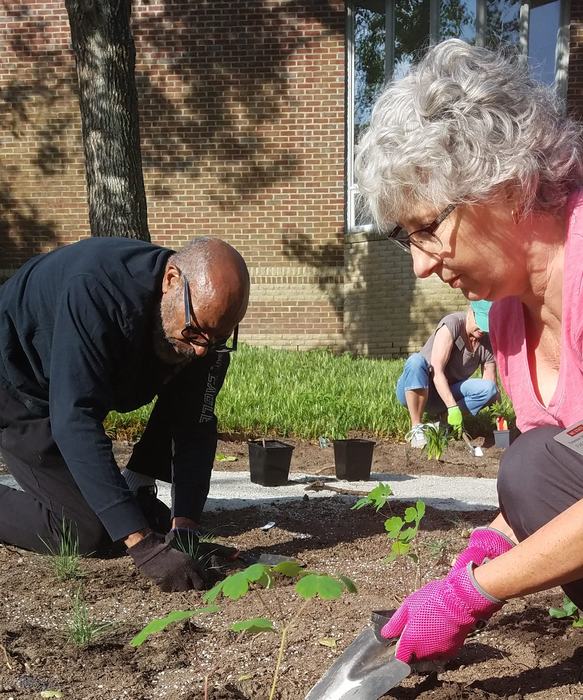
Across North Carolina, volunteers with the Extension Master Gardener℠ program educate the public about the connection between pollinators, gardens, native plants and wildlife. Here are a few examples of how Master Gardener℠ volunteers encouraged residents to plant pollinator and wildlife friendly species in 2021.Moore County
Henderson County
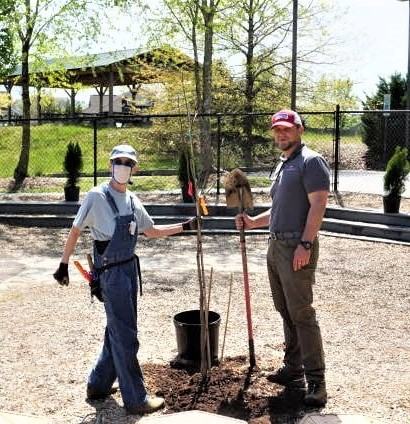
Montgomery County
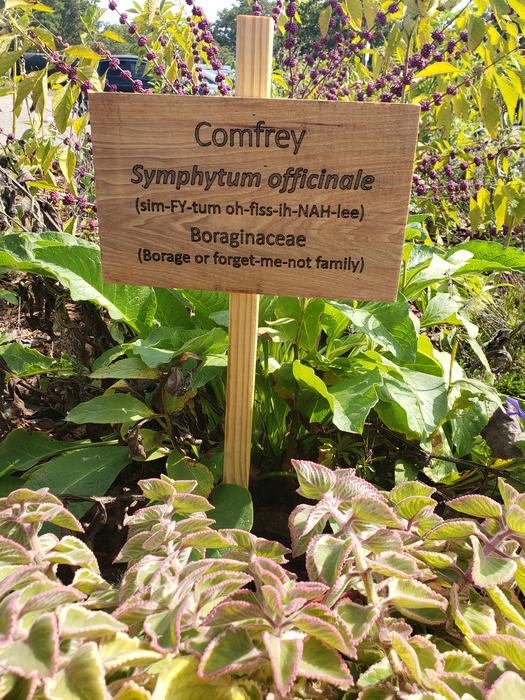
Sampson County
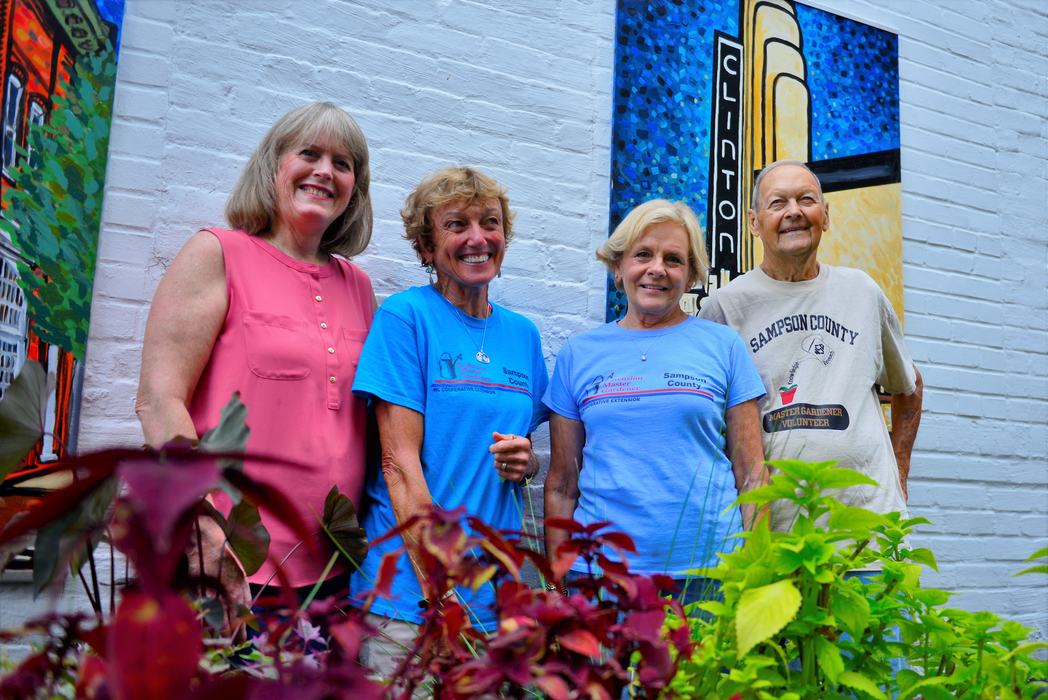
Caldwell County
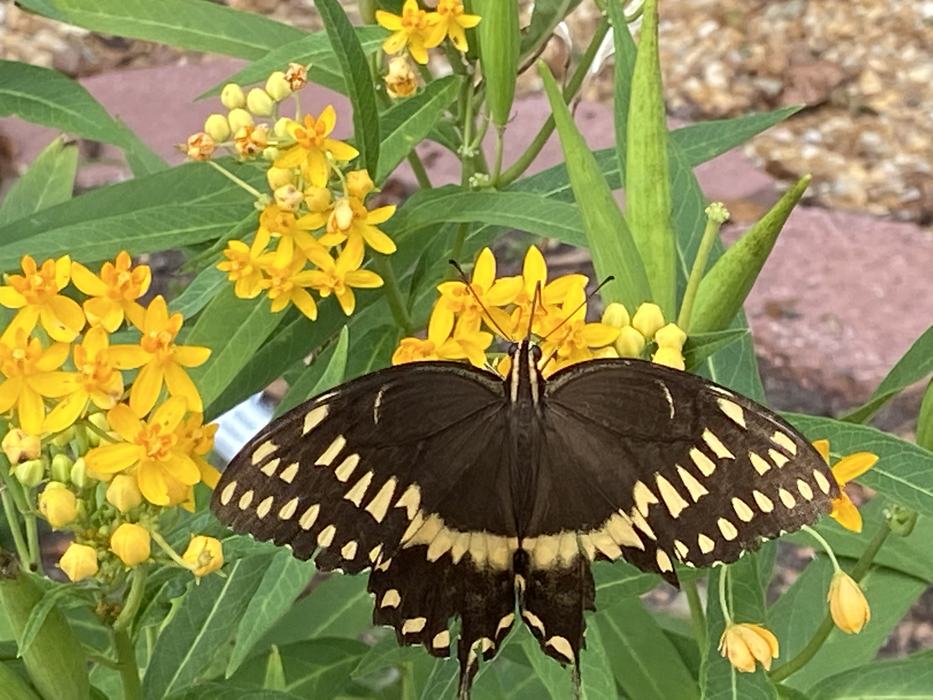
Practicing what they preach, Master Gardener volunteers challenged one another to add native plants to their personal gardens. The “Nature’s Best Hope Garden Challenge” asked Master Gardener volunteers to draw up a plan, list what plants they used, and take pictures of their progress. They also encouraged one another to share the challenge with a neighbor.
Learn more about how you can be part of the NC State Extension Master Gardener program!
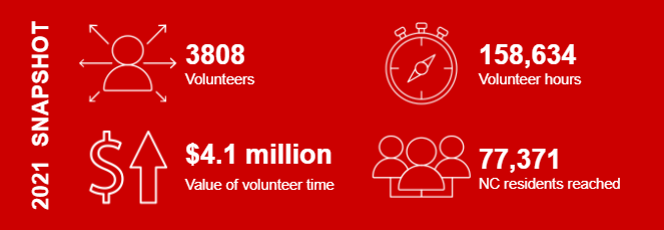
2021 Annual Report
Explore the 2021 Annual Report to see more examples of how volunteers with the Extension Master Gardener℠ program share their knowledge to help North Carolinians learn and grow.Planting for Pollinators & Wildlife
Explore these NC State Extension resources to learn how to make your property more pollinator and wildlife friendly:- Wildlife Friendly Landscapes
- Landscaping for Wildlife with Native Plants,
- Managing Backyards and Other Urban Habitats for Birds,
- Butterflies in Your Backyard,
- Reptiles and Amphibians in Your Backyard.
- Planning a Wildlife Habitat
- Native Plants Chapter in the Extension Gardener Handbook
- Plants to Attract Wildlife - In the left column “Landscape” section, click on “Attracts” then choose the species you wish to create habitat for
- Bees of North Carolina: An Identification Guide